Introduction
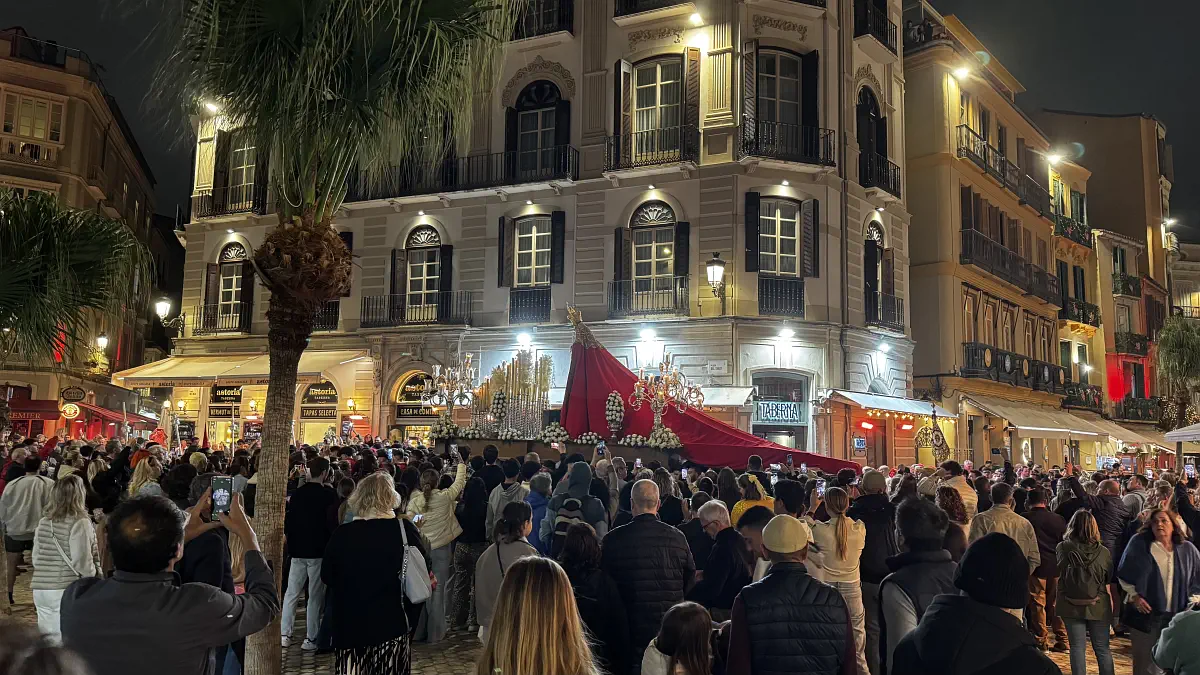
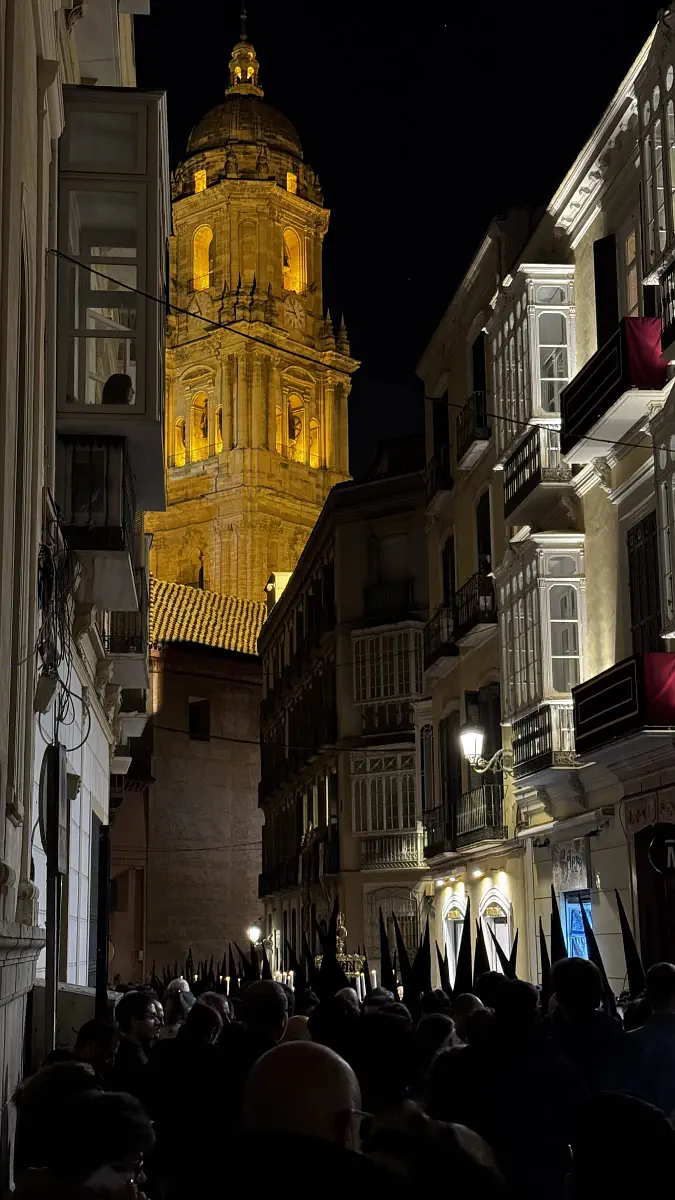
This was my third visit to Málaga, but this time the journey expanded into a broader exploration of Andalusia, focusing on the triangle of Málaga, Granada, and Córdoba. Traveling during Semana Santa added a unique dimension to the experience, bringing both logistical challenges and unforgettable cultural moments. In these historic cities, the processions are impossible to miss—especially in the evenings, when they weave through the old streets and seem to find you wherever you are. The week itself was blessed with consistent blue skies, cool mornings, a light breeze, and comfortably warm days.
Practical Information
Arrival / Departure
Málaga’s train and bus stations are close to each other, but not especially close to the historic centre. If you plan to walk, factor that in — and keep the Semana Santa processions in mind, since they can affect how easily you get around.
In Spain more than one company can operate on the same train line. To find which ones I use Trainline.com. Malaga, Granada and Córdoba are connected by fast rail, but when I visited that line was shut after flood damage, so ALSA buses were the only option. These need to be booked in advance, and it’s best to arrive at the bus station at least 20 minutes before departure if you care where you sit.
The train stations in Granada and Córdoba are both fairly close to town, although Granada’s bus terminal is a long way from the centre.
Left-luggage options have multiplied in Málaga. There are fewer in Granada and Córdoba. These can be useful if your accommodation is not ready for check-in. Just watch opening times.
Getting around
City buses in Málaga could be paid for by card, but in Córdoba it was cash only, so it helps to have small bills or coins ready.
In Córdoba I still saw horse-drawn carriages, and I honestly hope those disappear soon, as they already have in Mallorca.
All three city centres are walkable, though Granada is a bit hillier if you want to enjoy the views. Everywhere I went had some kind of public transport, even if it wasn’t always the most convenient option. There was no Uber in Granada or Córdoba during my visit.
Highlights
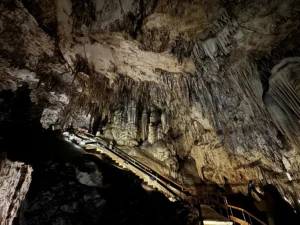
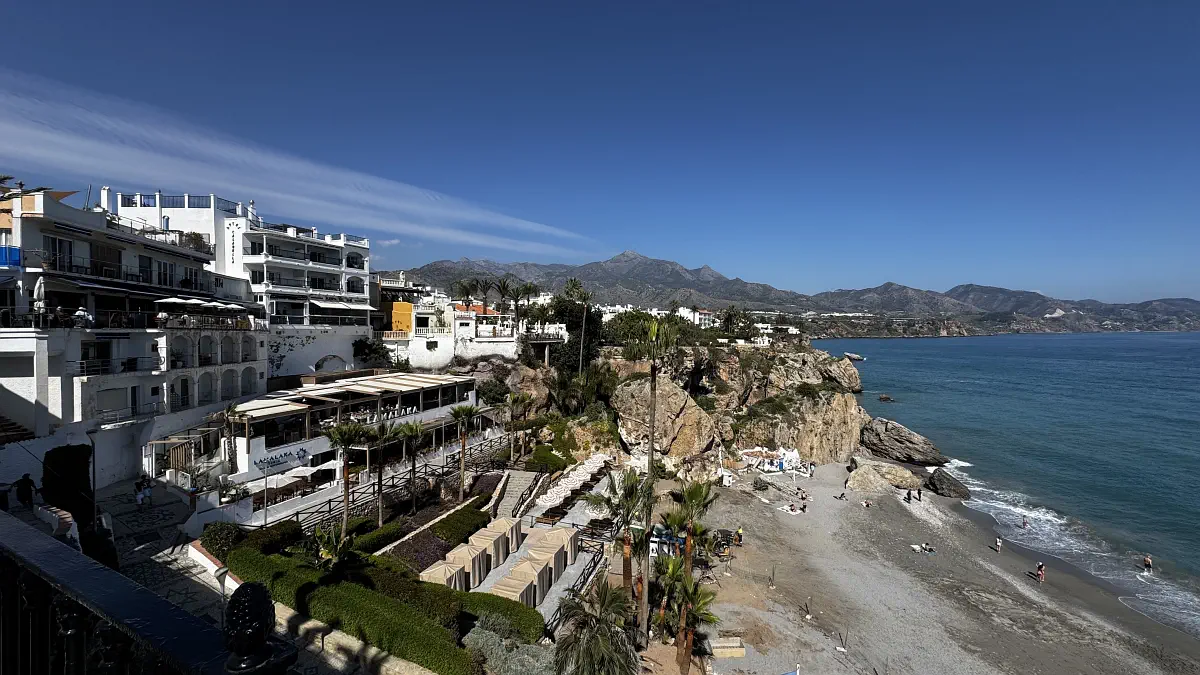
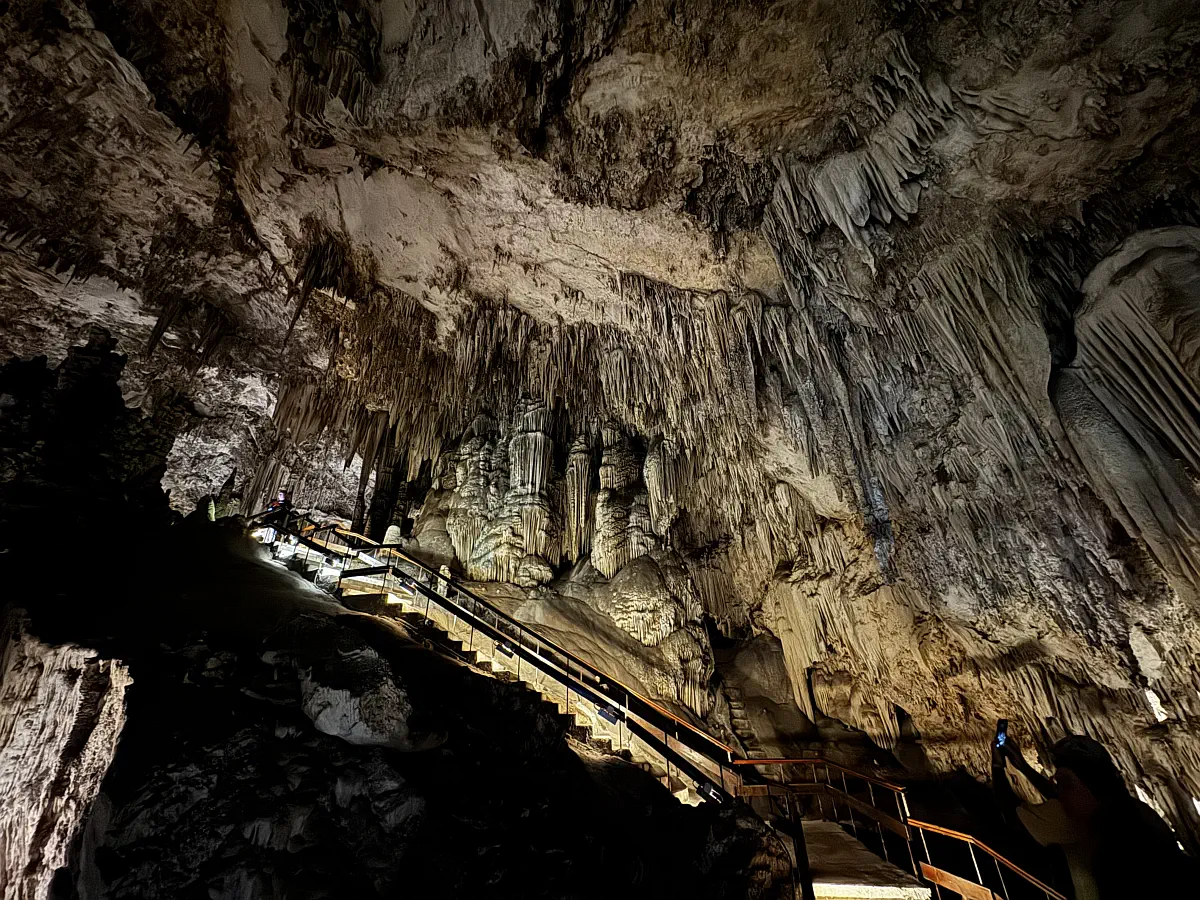
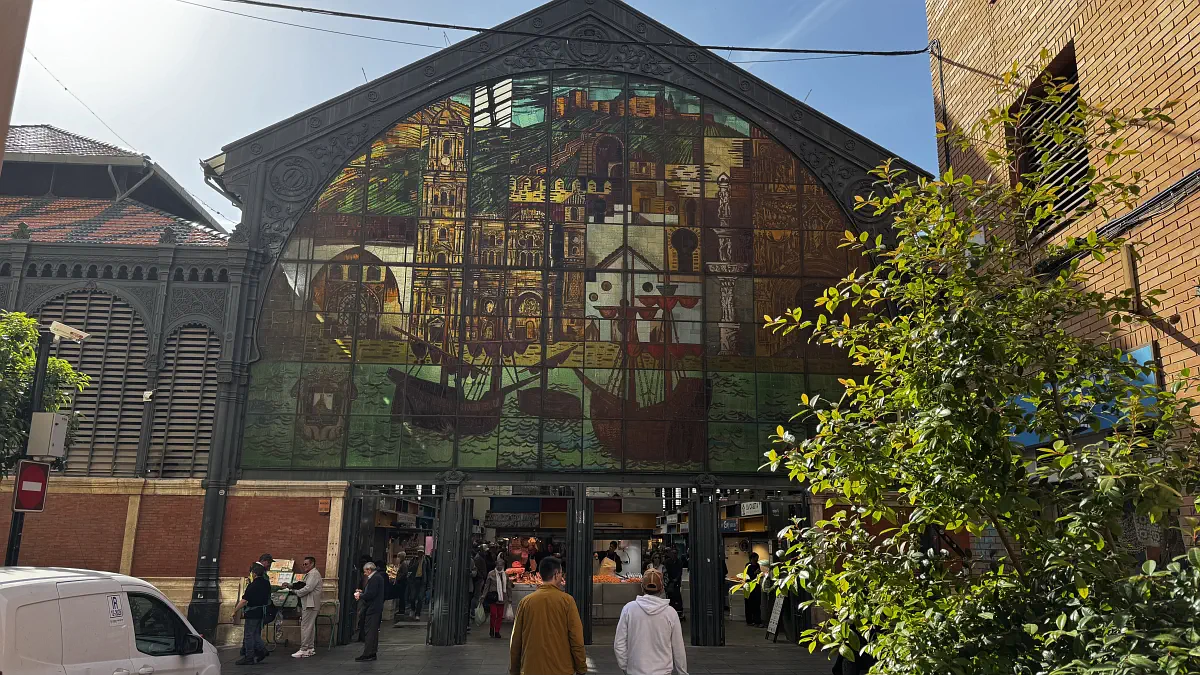
Malaga Semana Santa vibe and the Nerja Caves. You can reach the caves by taking a bus to Nerja and then a short taxi ride. I prefer this over a tour but of course you get commentary but it always feels rushed. See the dedicated Malaga post for more >>here
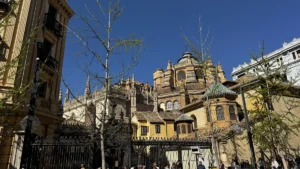
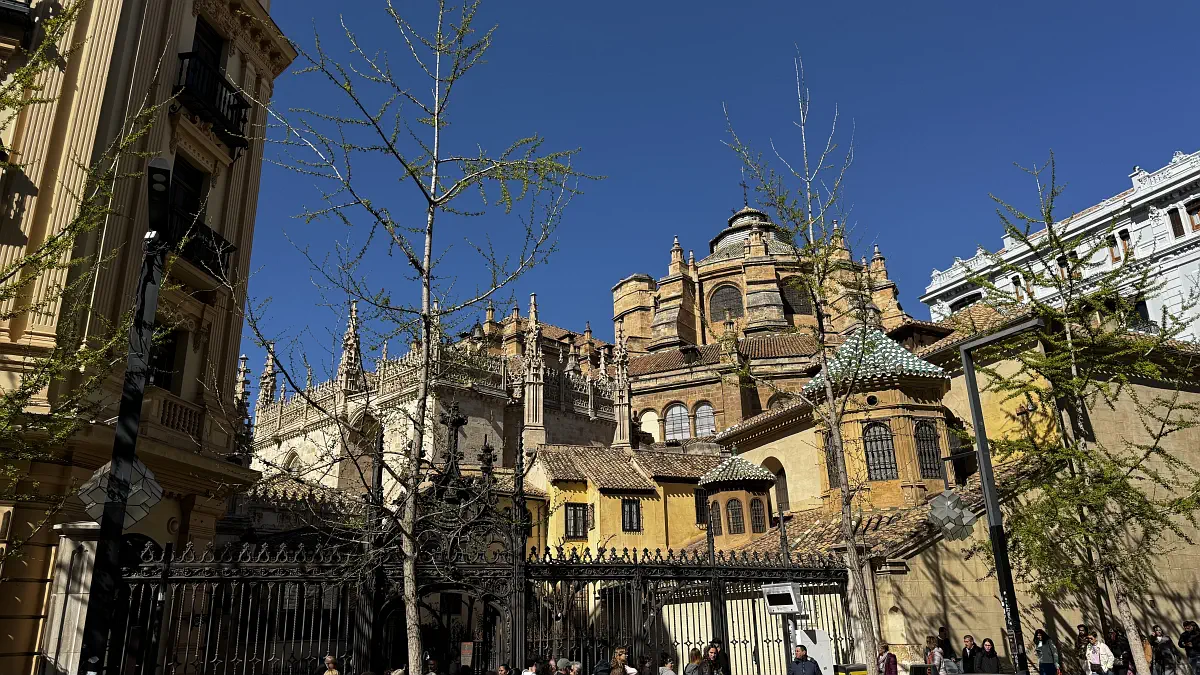
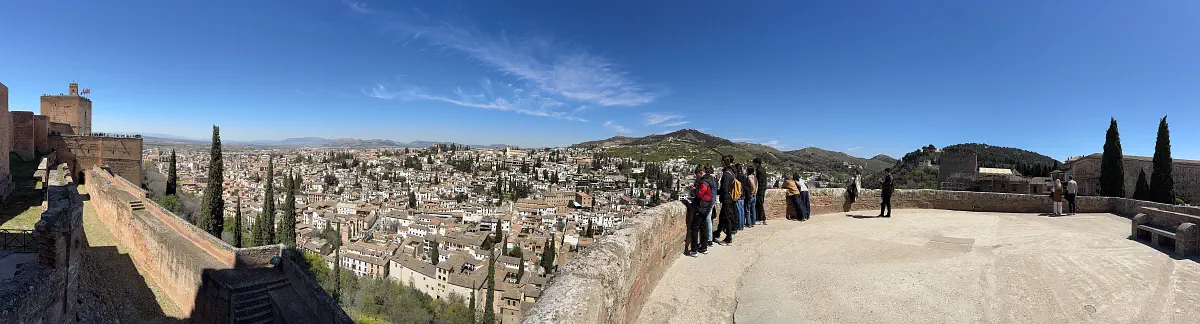
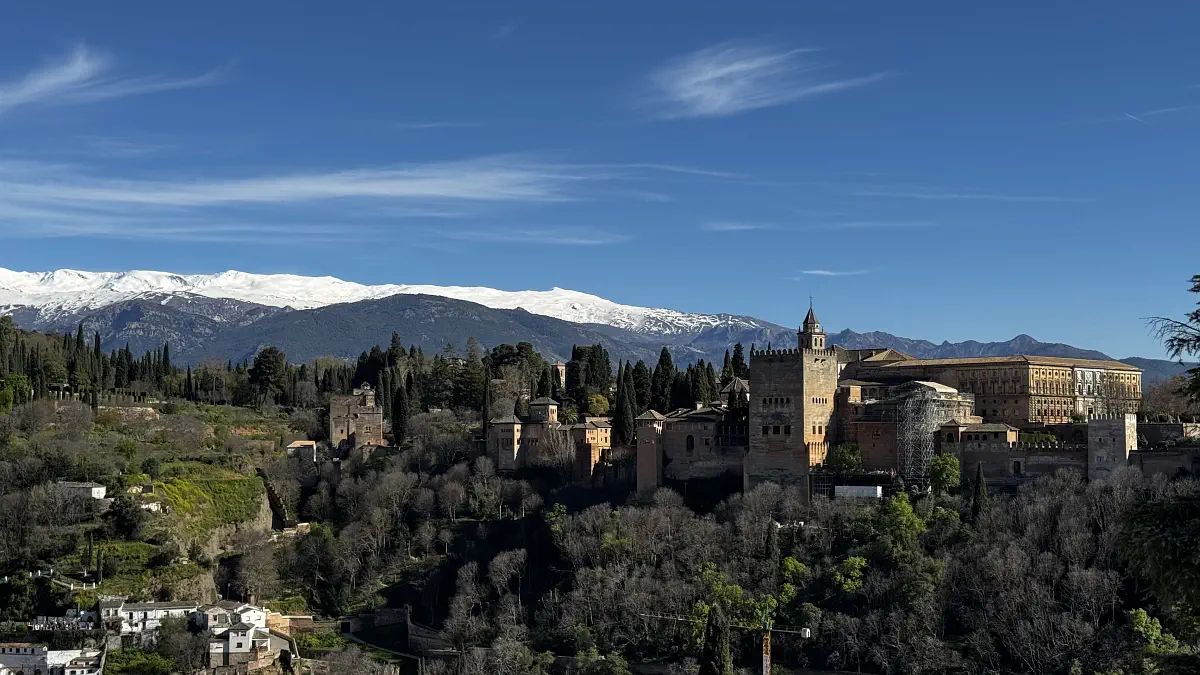
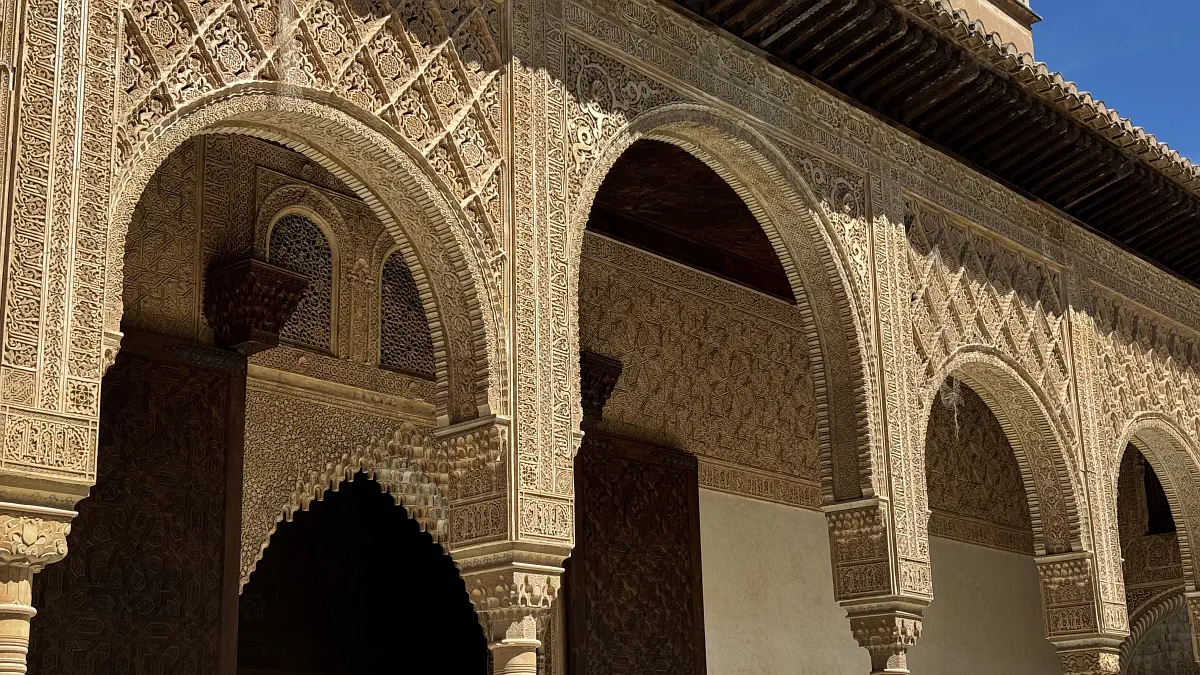
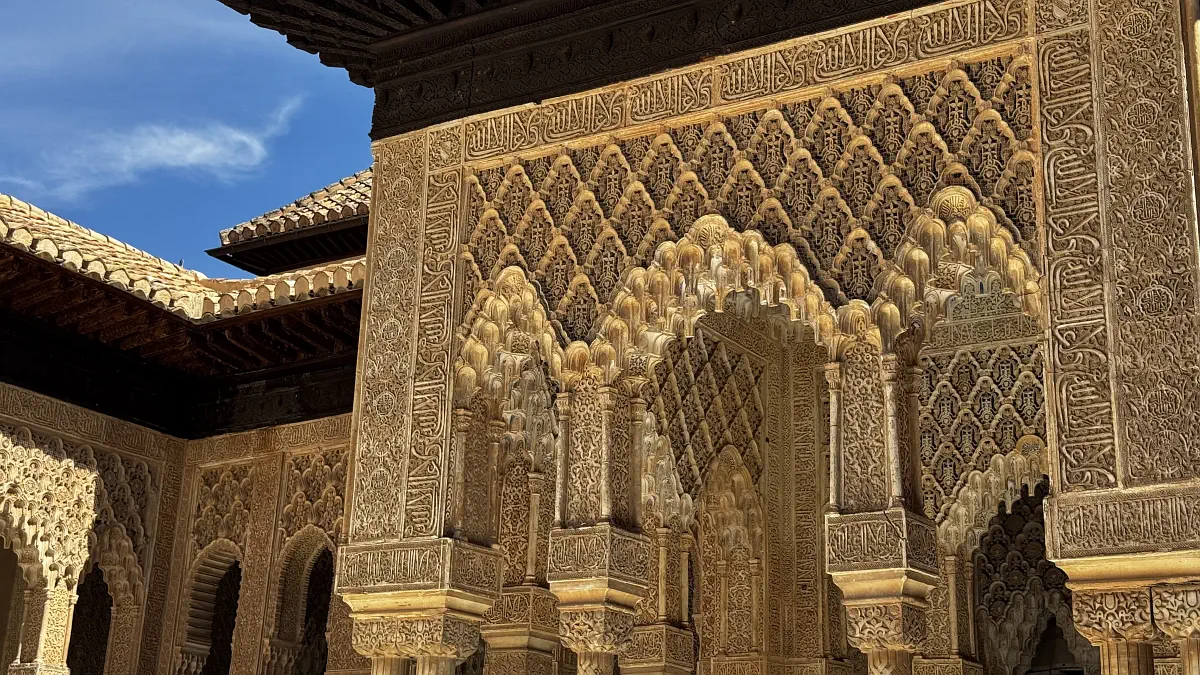
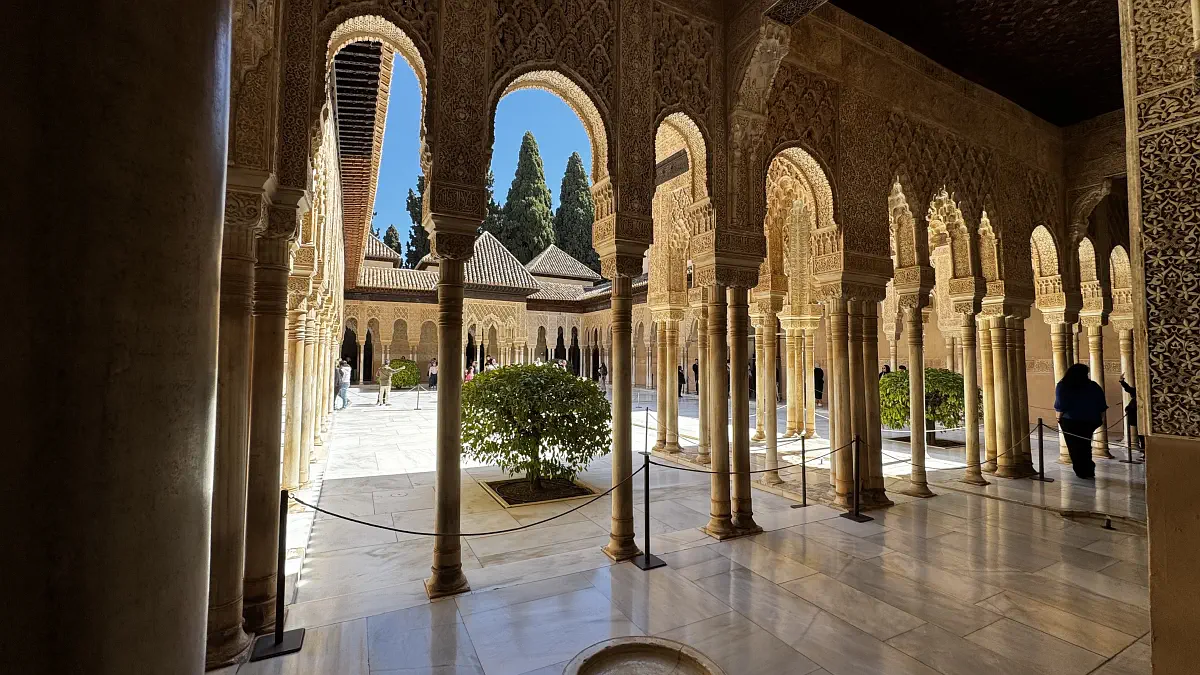
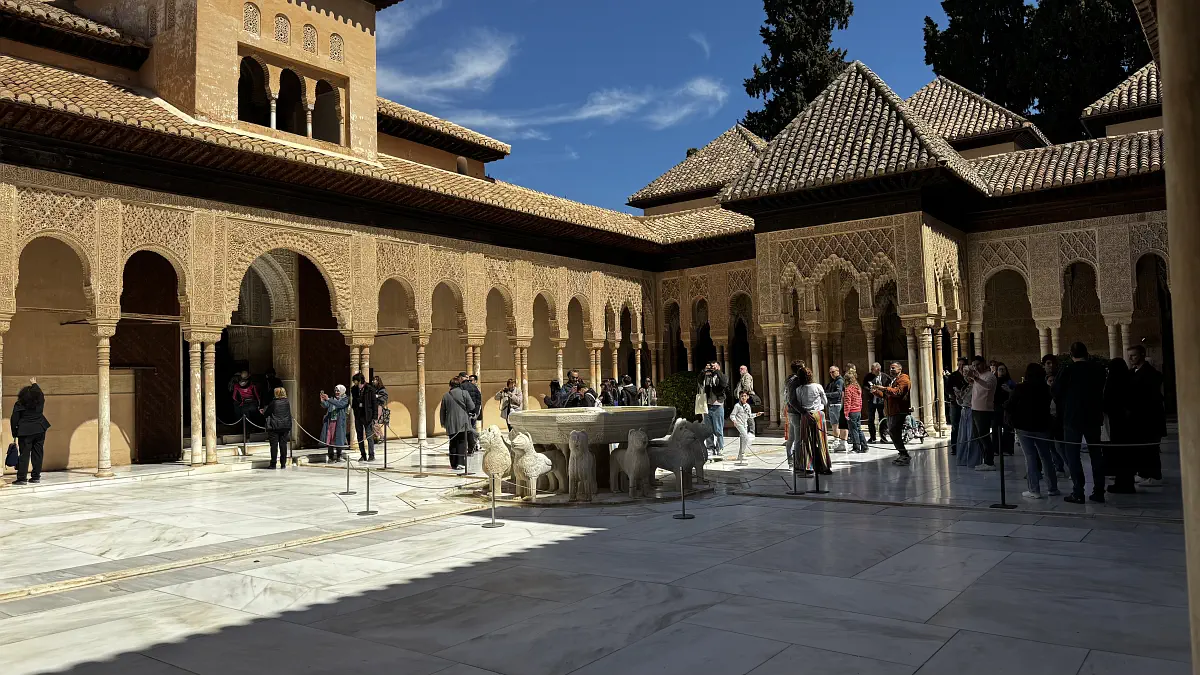
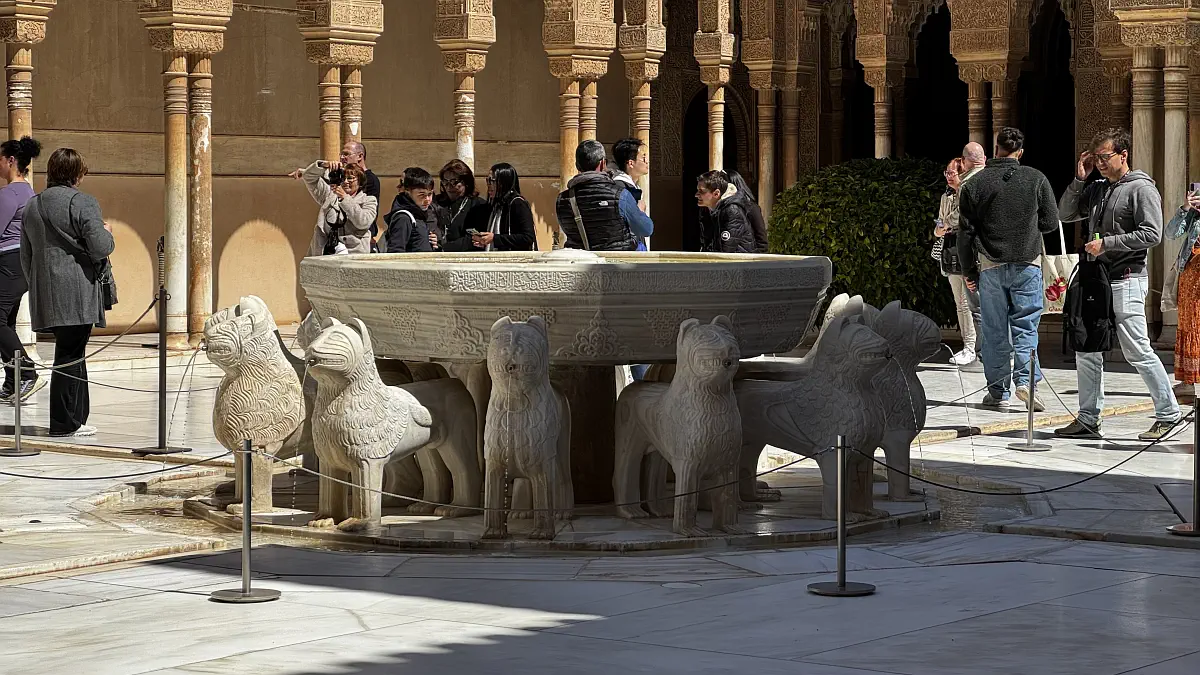
In Granada, the Nasrid Palace glowing in the sun was a real highlight, as was simply wandering through the historic centre. I noticed a lot more Arabic food places here than in the other cities. The palace has to be booked in advance — you cannot just turn up. In its current form, it was built over roughly 250 years by 10 different rulers. The rest of the Alhambra is lovely too, and there is a small stand selling drinks at reasonable prices. You can also bring a picnic.
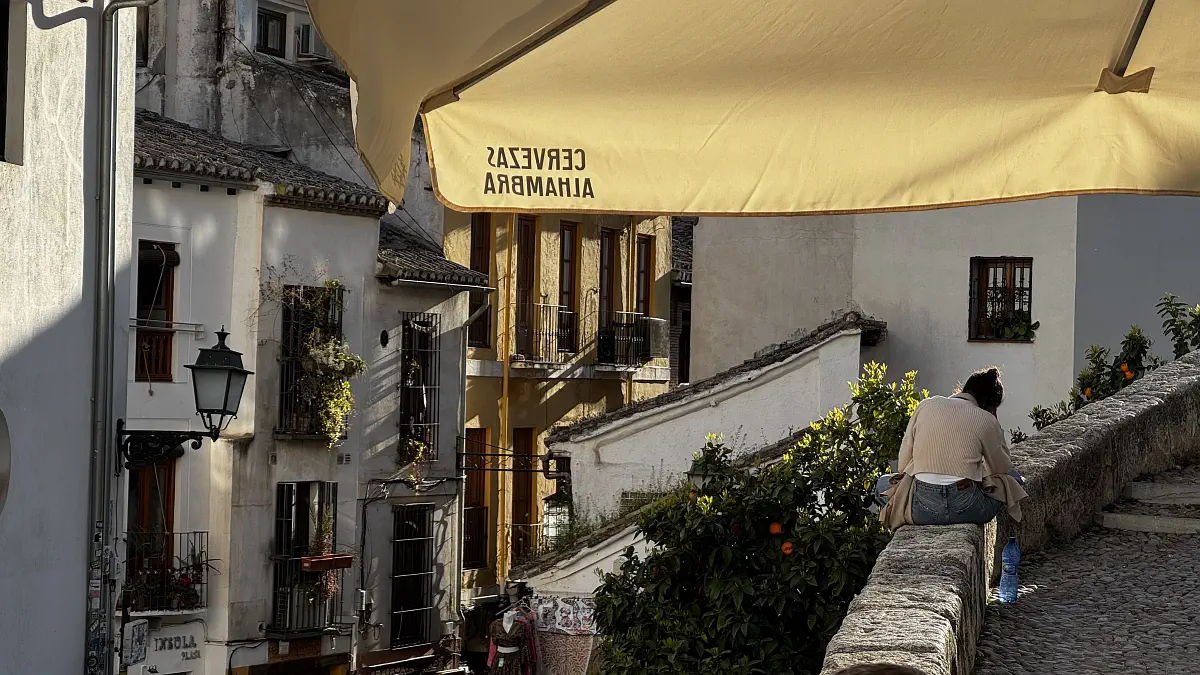
Leaving Granada by train gives you some beautiful views, especially on the left-hand side when heading to Córdoba. The walk up to the San Nicolás viewpoint is hugely popular for Alhambra views, even more so at sunset. It gets very crowded, and the cafés around there felt totally commercialised to the point that they wouldn’t give me one of the empty view tables because I was on my own. Luckily, the view itself is free, and there are plenty of cosy spots back in town.
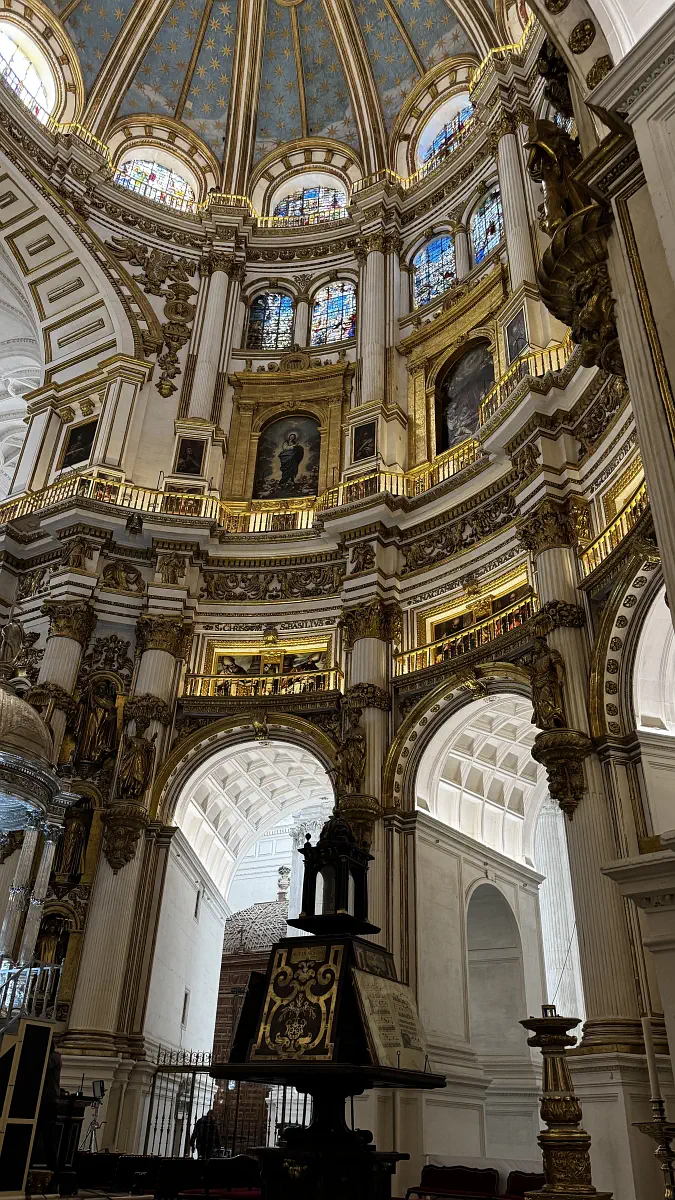
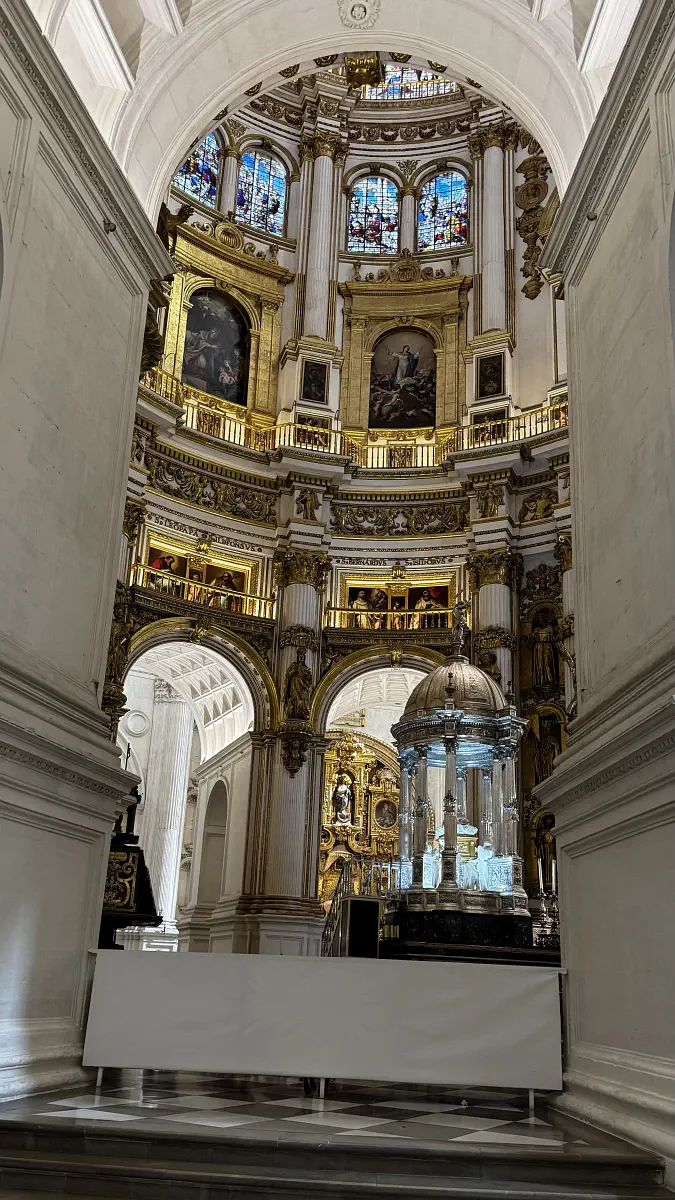
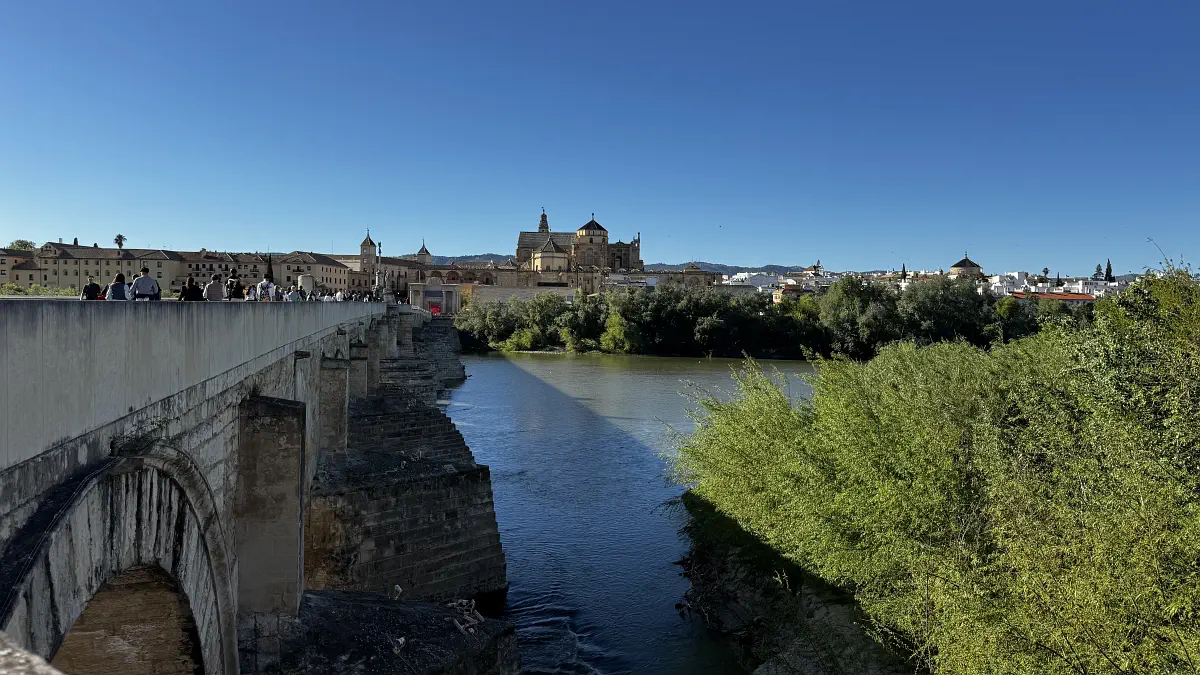
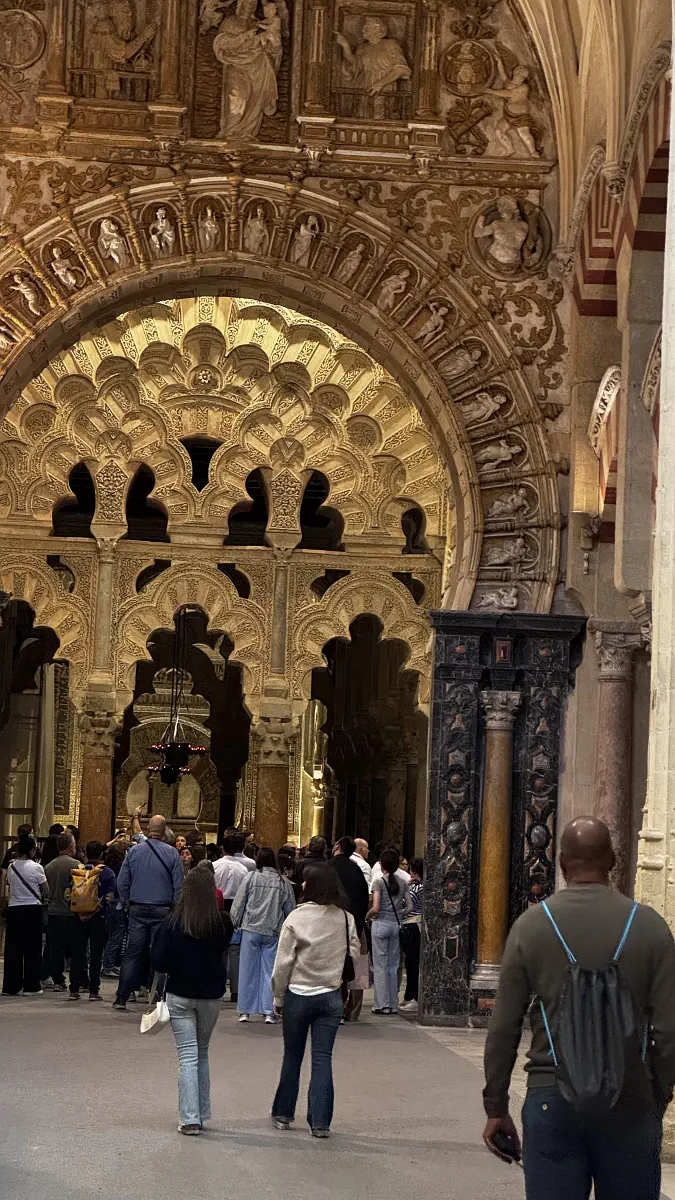
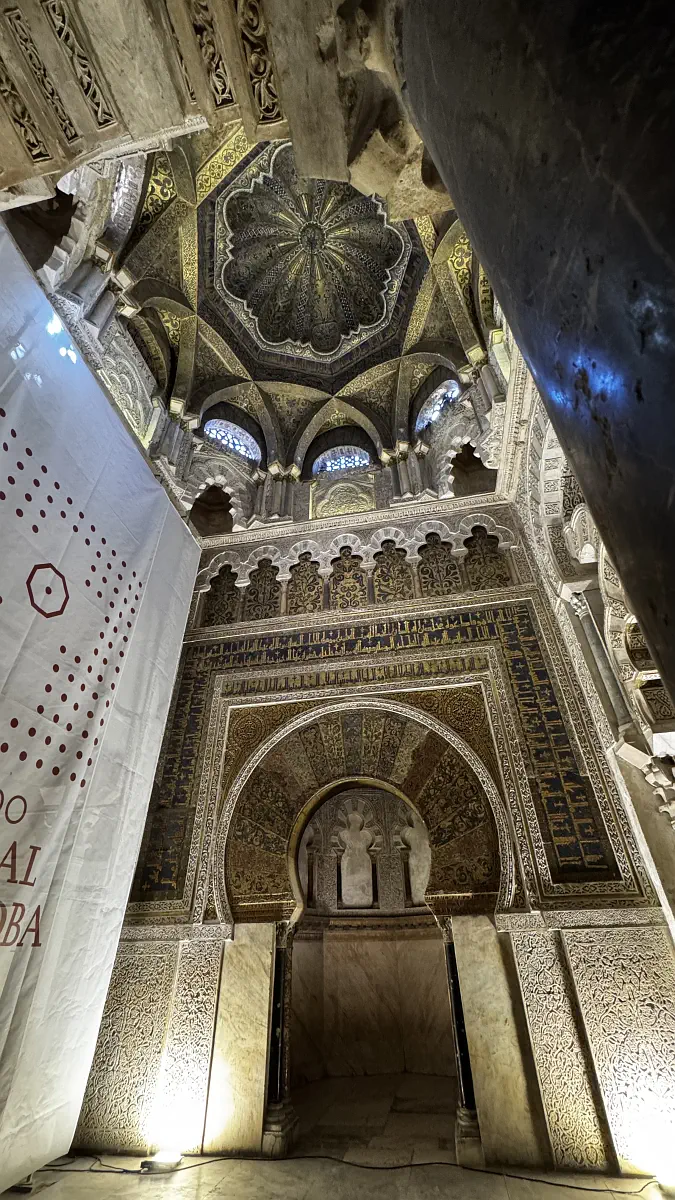
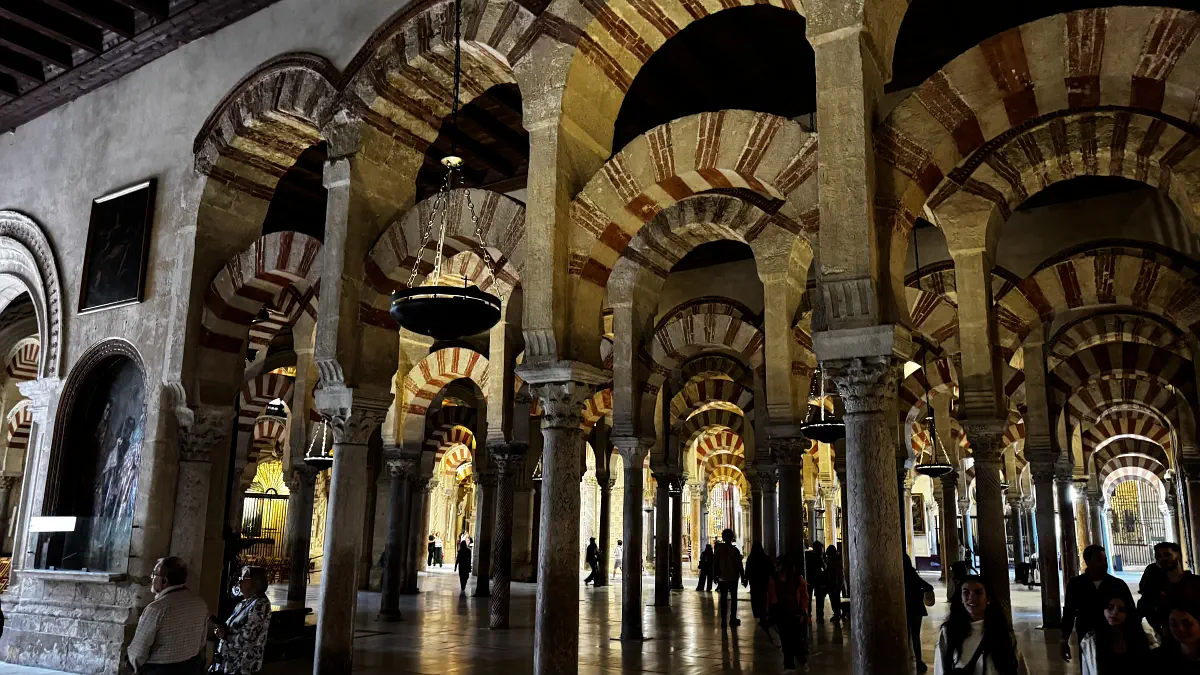
Córdoba was all about the cathedral and the food scene. The cathedral really has to be experienced in person — photos and videos simply do not do it justice, because the scale is incredible. During Semana Santa the area around it gets packed from around 5 pm, but even then I was able to get a ticket a few days ahead for the time I wanted. It’s a big space.
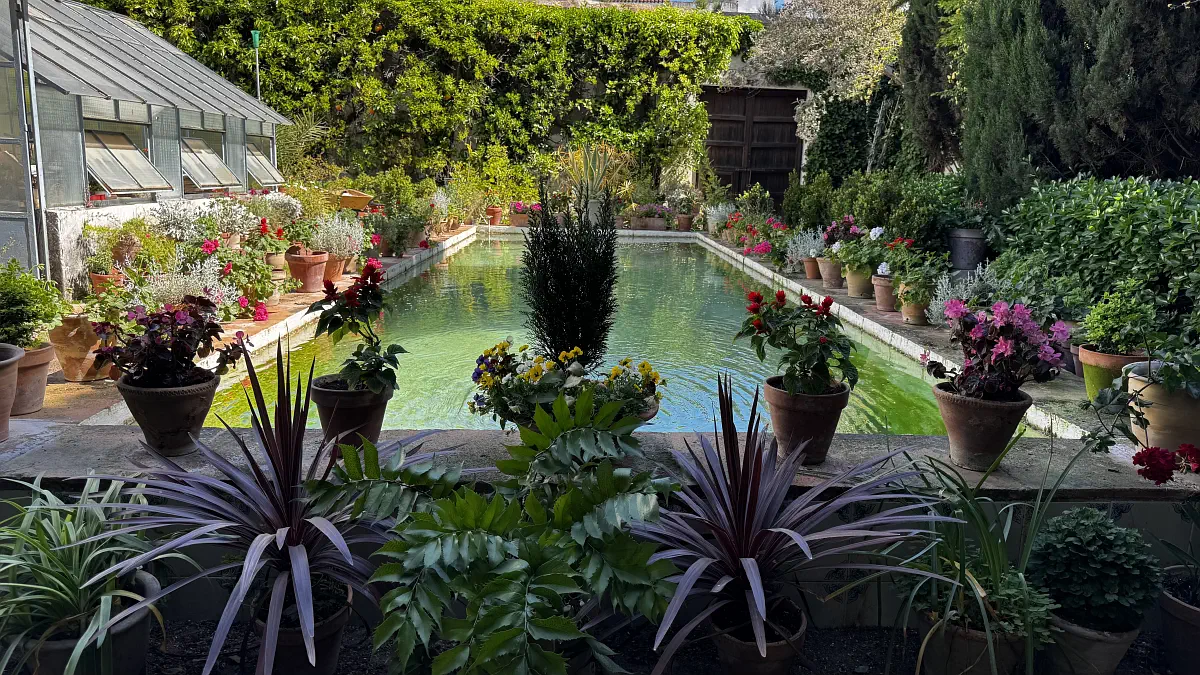
I got a very good vibe from Córdoba. Sadly, the Alcázar de los Reyes Cristianos was closed for restoration, so I missed out on the gardens this time. By the end of March it was already 24 degrees, and I can only imagine what summer feels like there without the sea breeze you get on the coast.
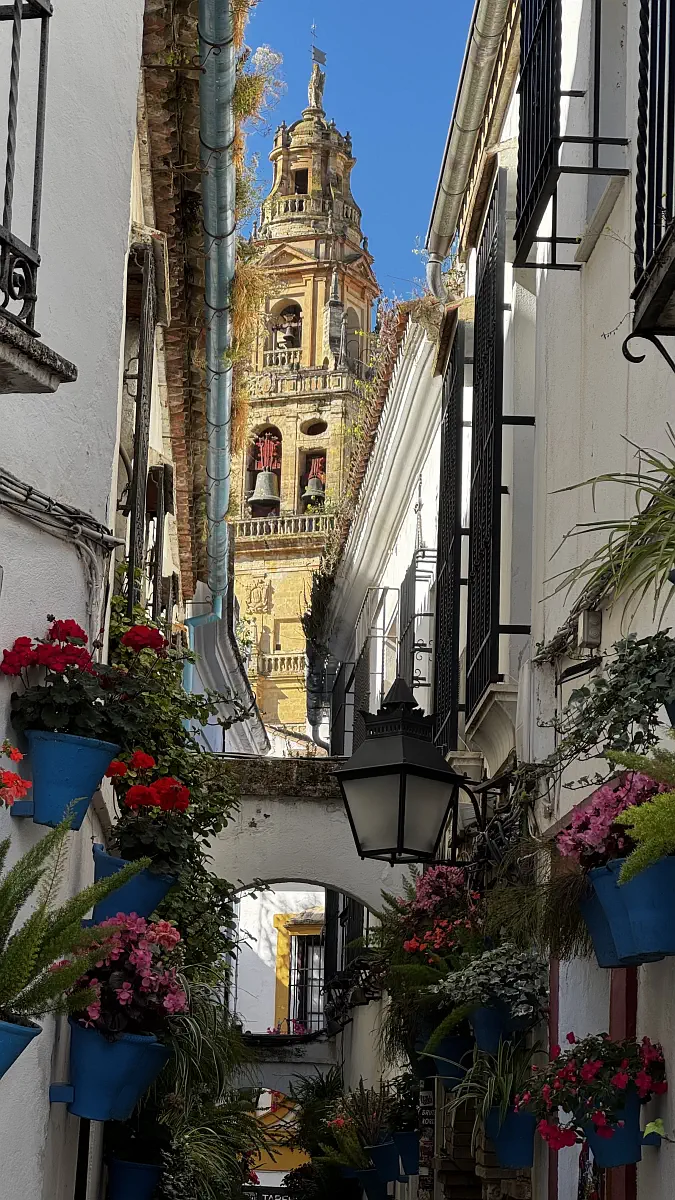
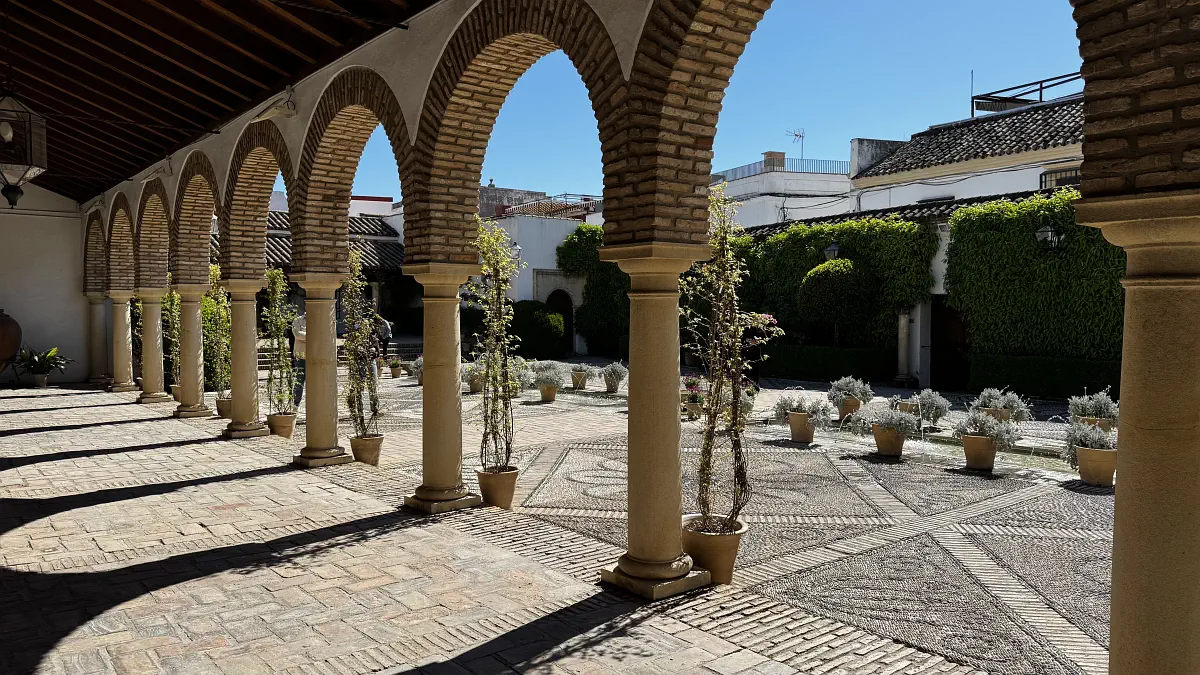
Córdoba also has its own version of the sherry-style wines from Jerez, including Oloroso, Amontillado and Palo Cortado. Of course, the locals will tell you theirs is better. I can also recommend Palacio Viana, where you get a good feel for the courtyards Córdoba is famous for.
The bus from Córdoba back to Málaga also has great views if you sit on the left side, ideally in the afternoon so the sun is not in your face.


Tips and Tricks
Semana Santa
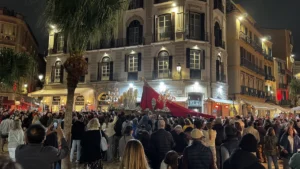
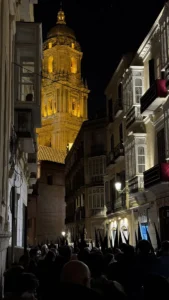
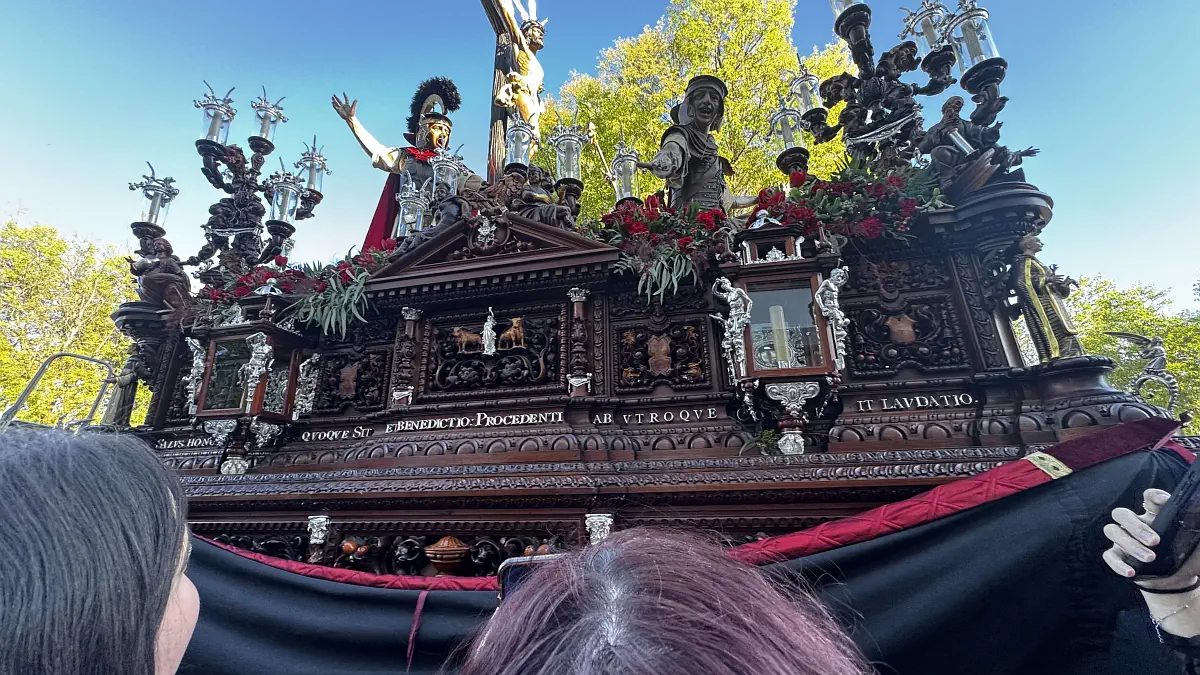
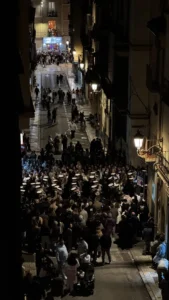
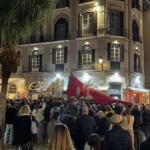
Easter week is a big deal in Andalucía. While Seville and Malaga are famous for it, most cities and towns will have a program.
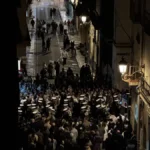
Be very mindful of your timing if you need to get to the airport, bus station or train station. Processions usually begin around 5 pm, but roads may start closing earlier. It’s worth checking with both the tourist office and your hotel, so you have two sources for closure information.
You may only need to walk a few blocks, but buses and taxis can be affected. If you want more freedom of movement, find the procession route in advance and stay on the side where your hotel is located.
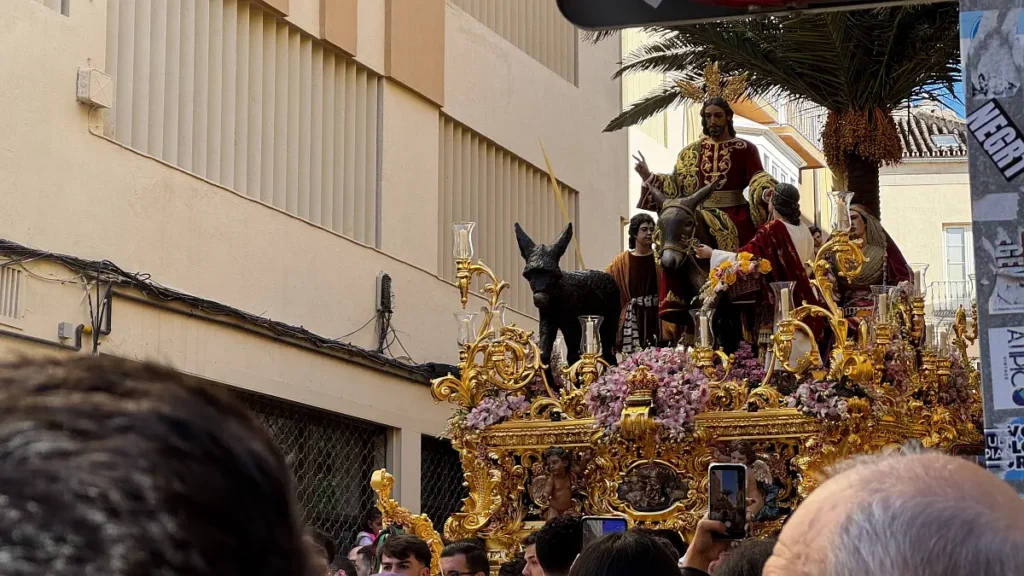
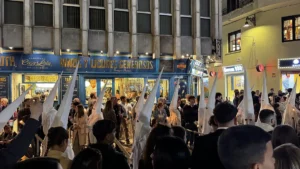
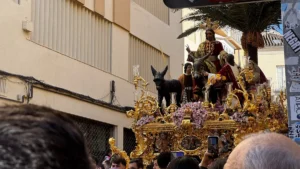
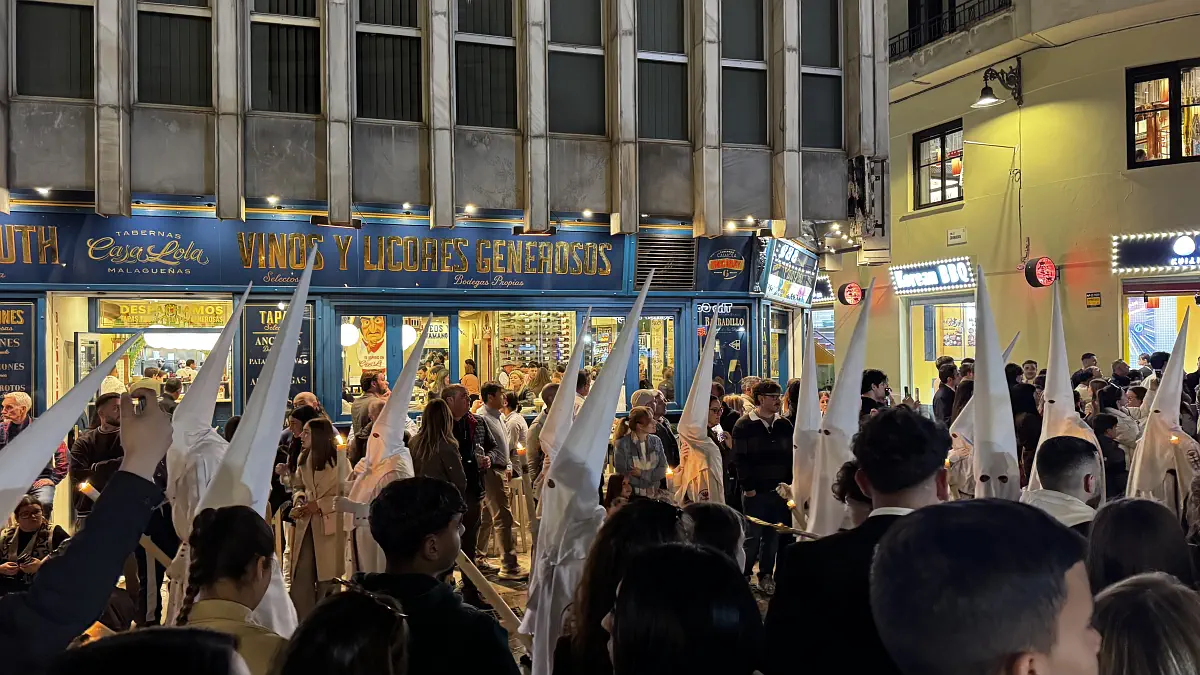
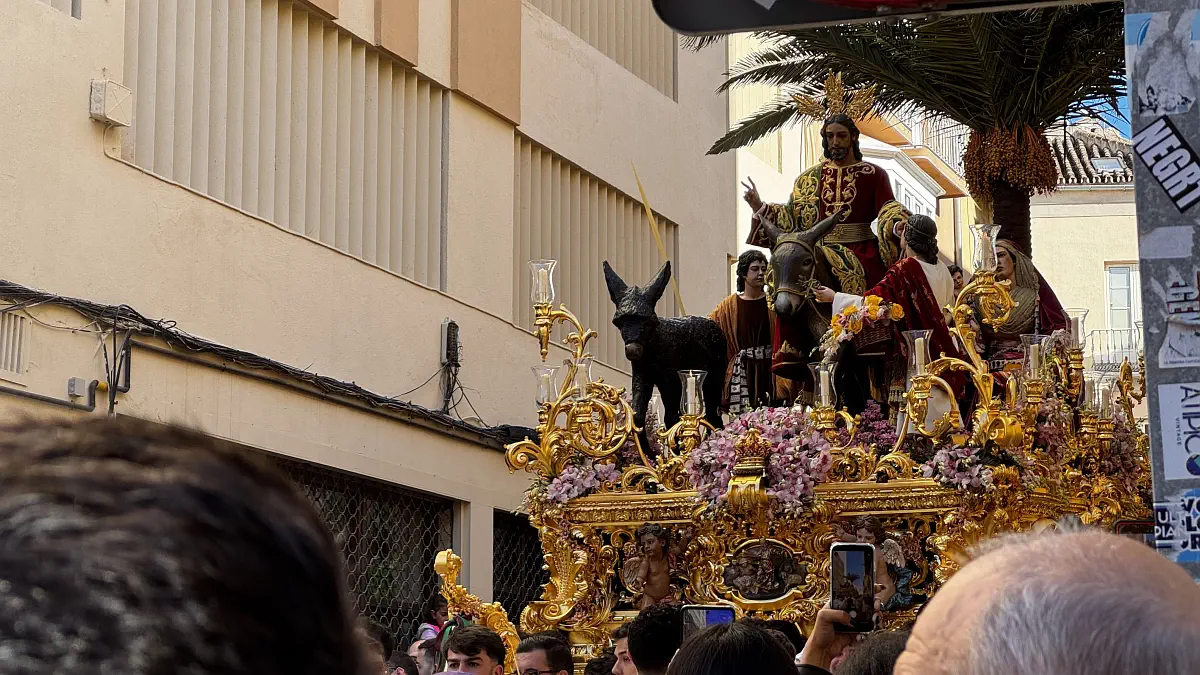
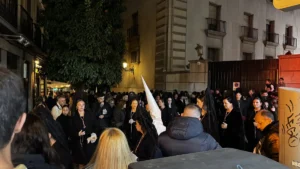
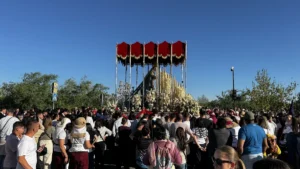
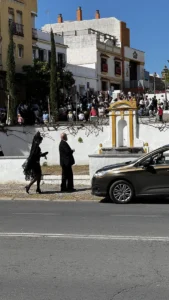
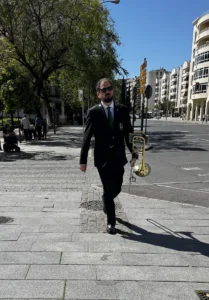
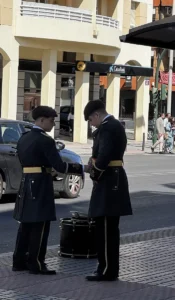
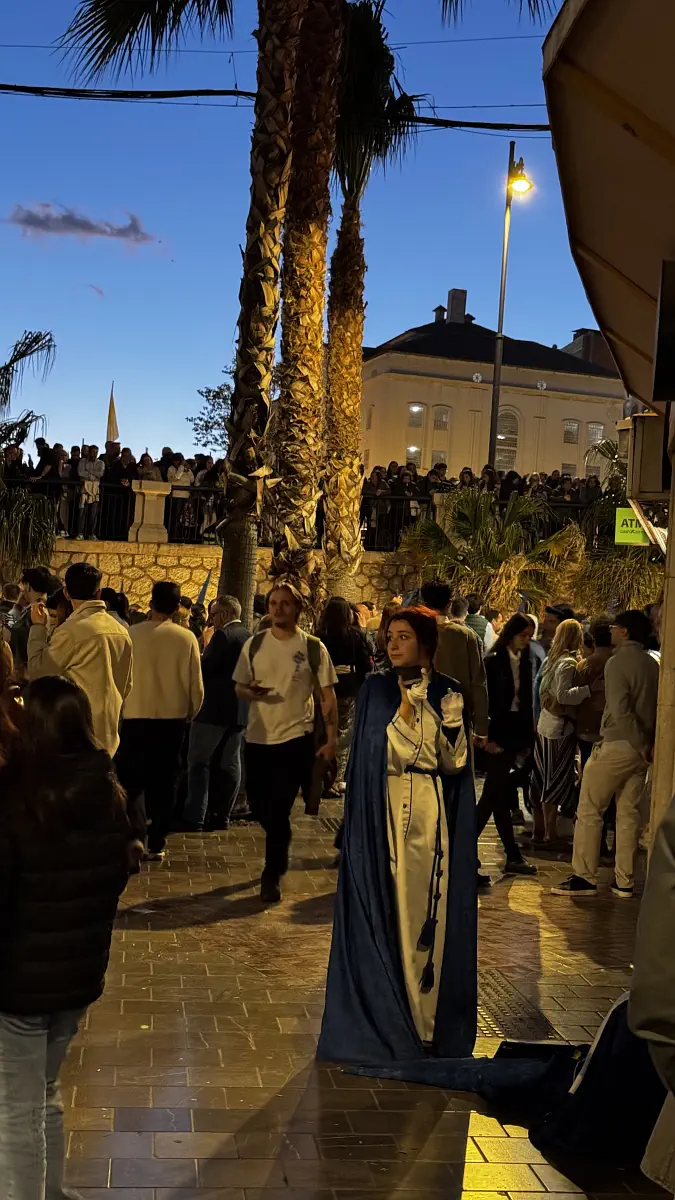
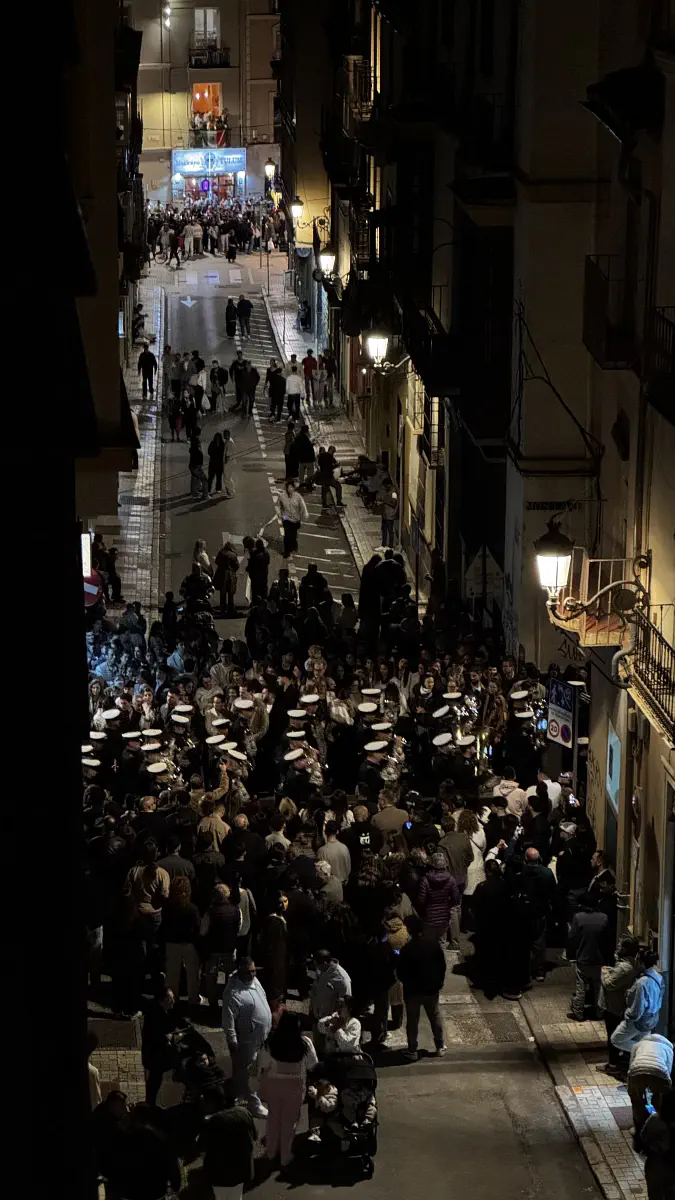
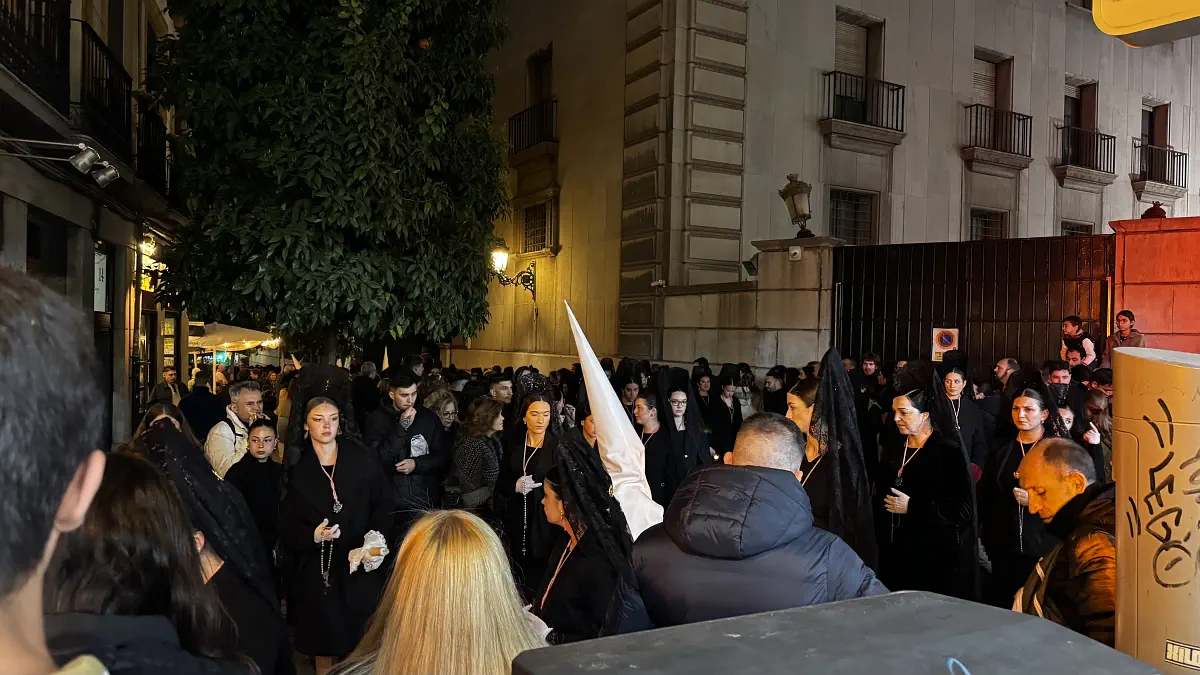
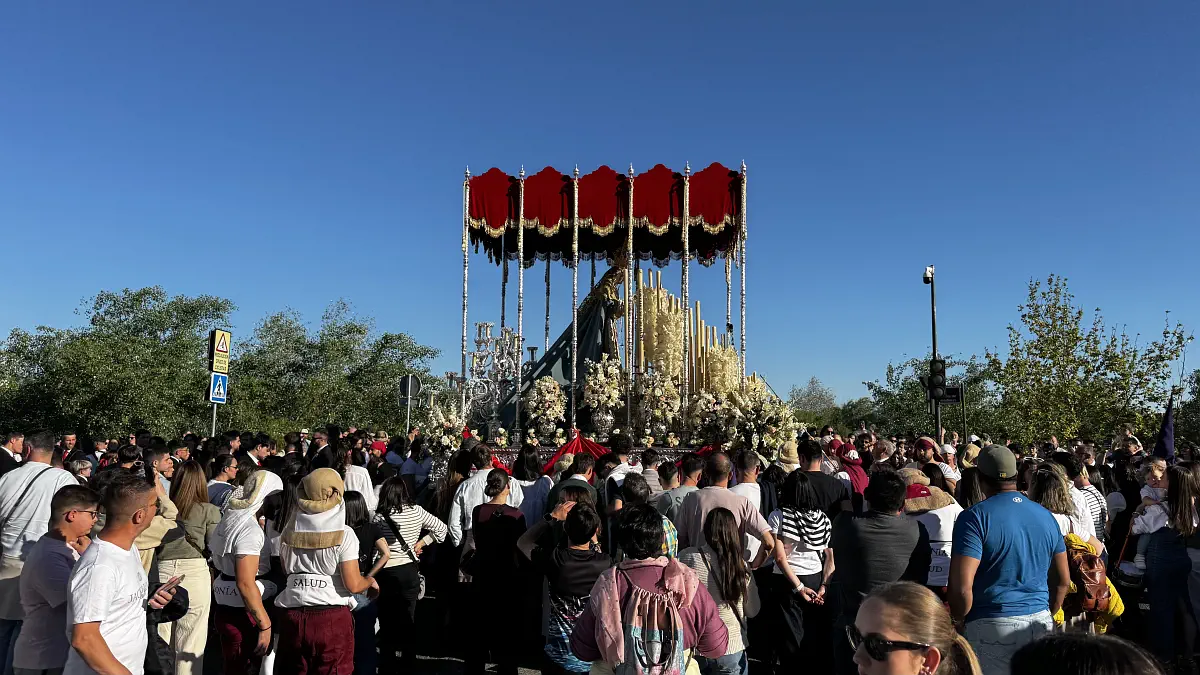
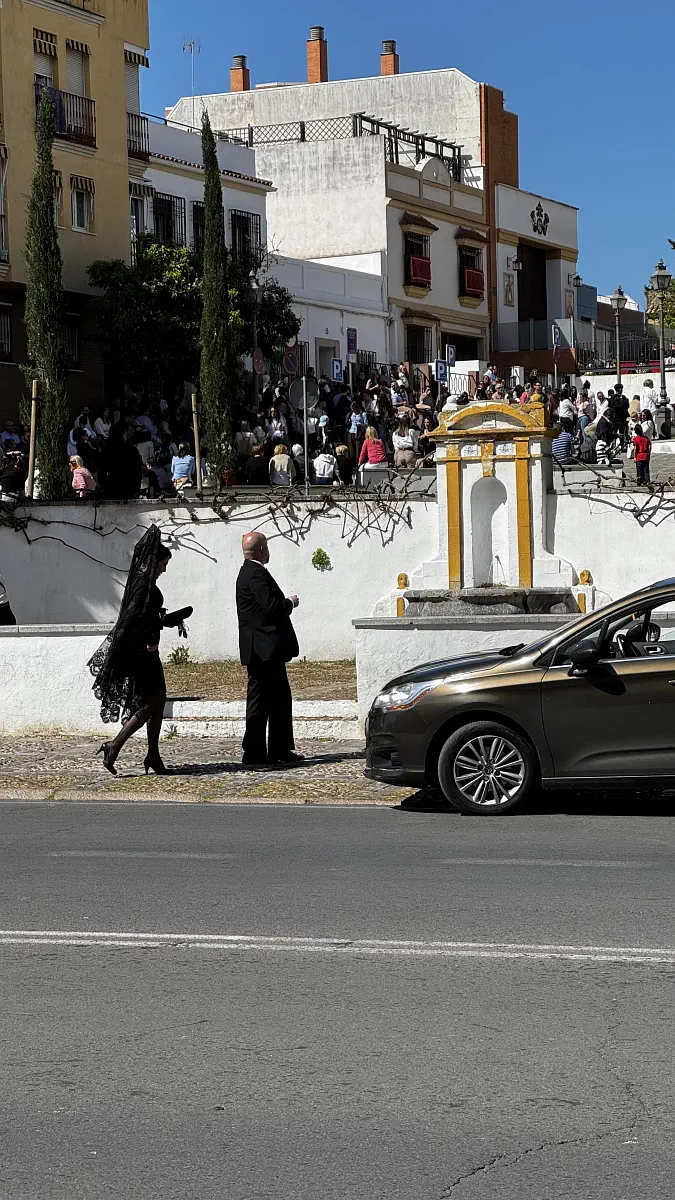
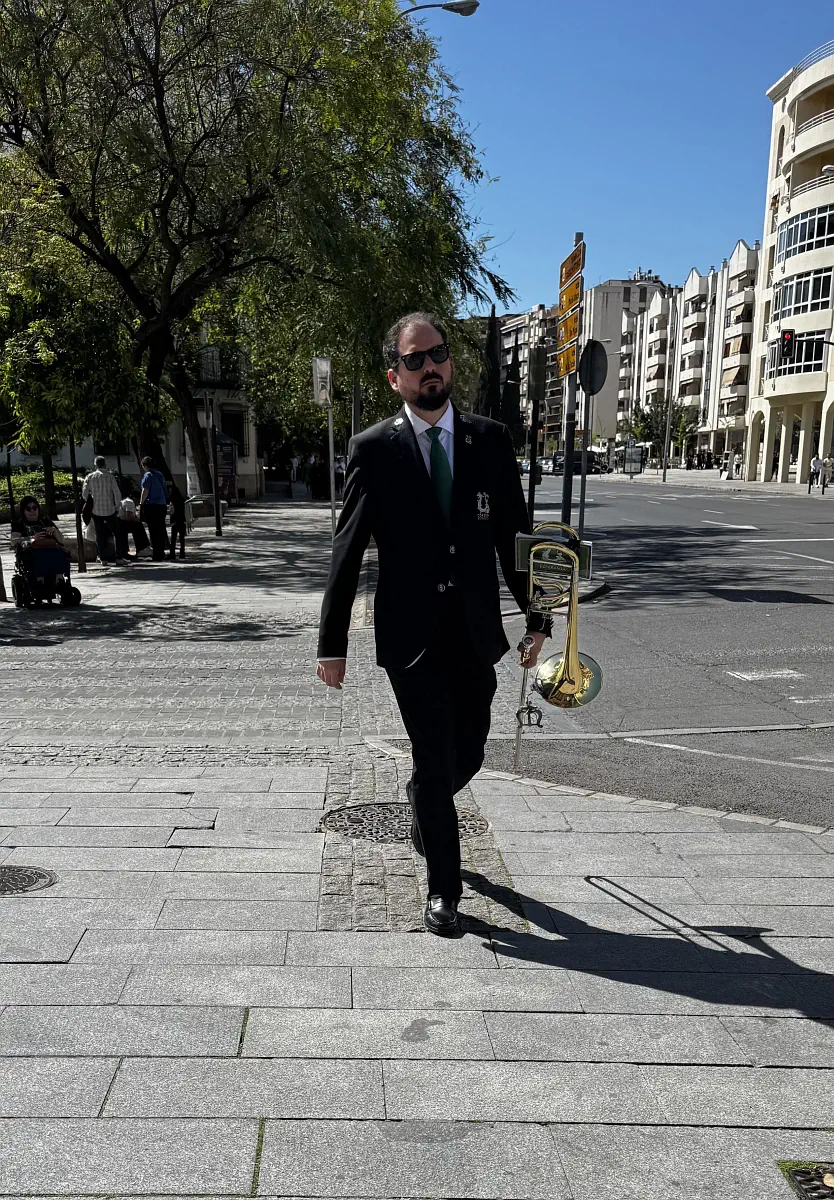
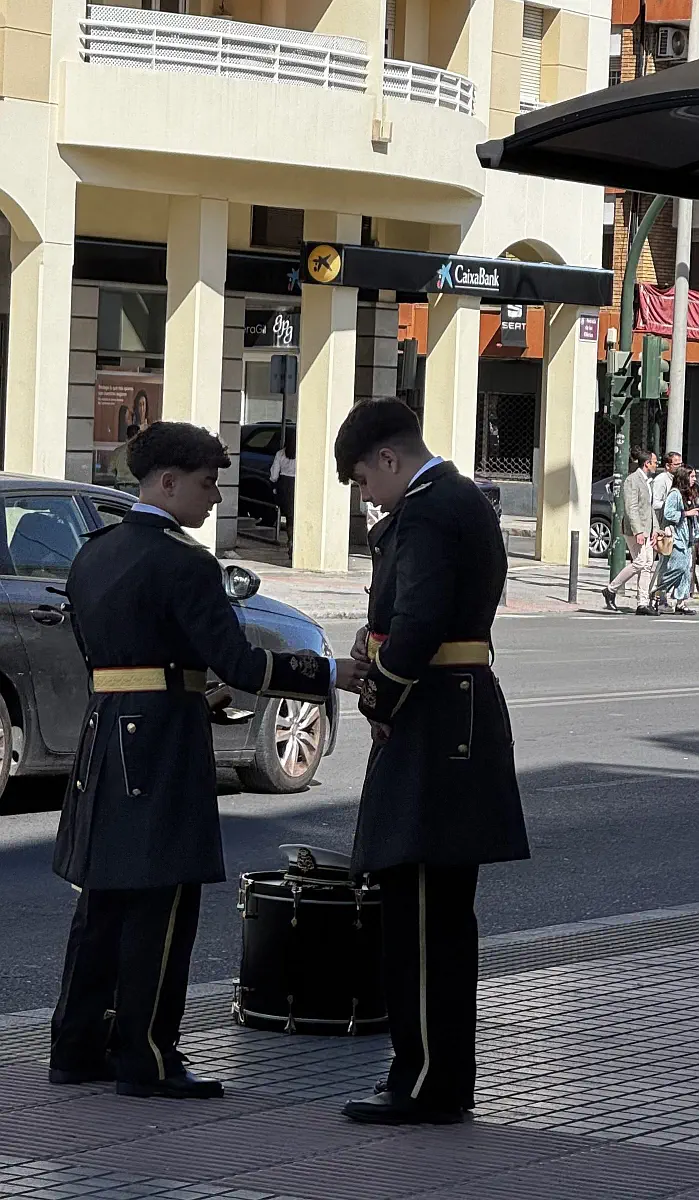
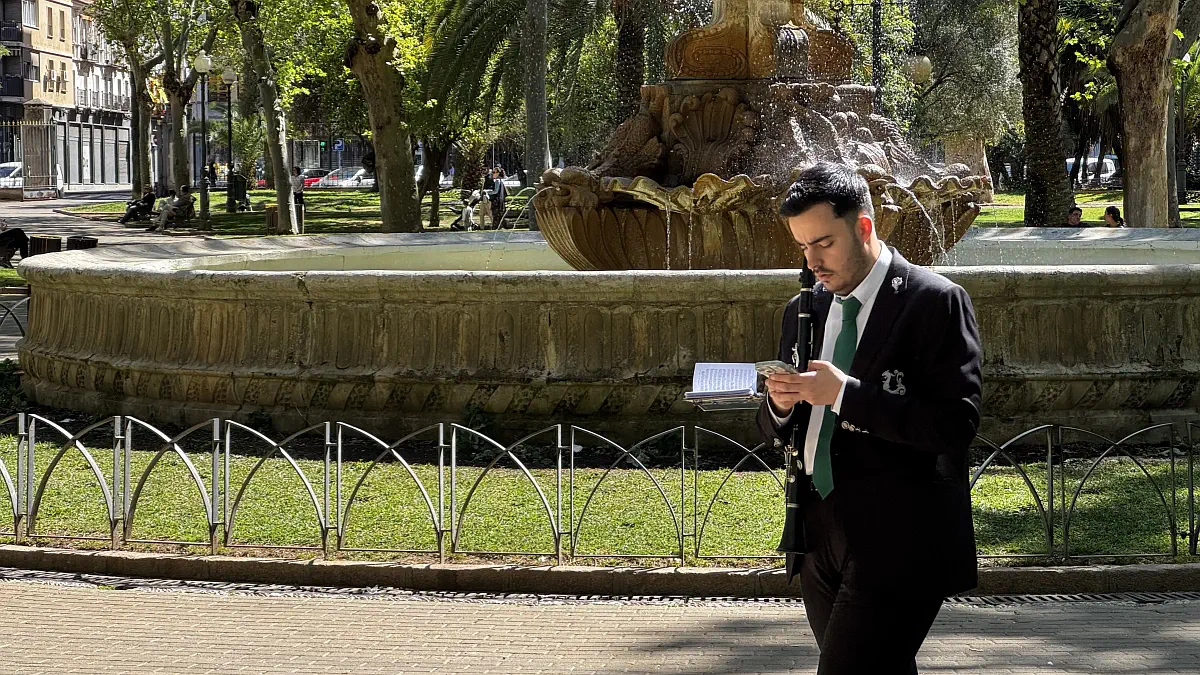
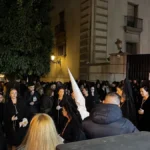
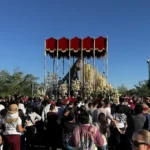
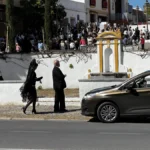
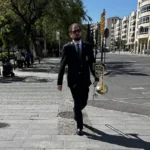
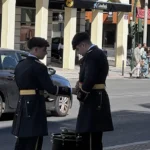
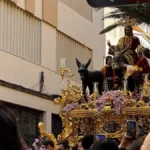
The processions usually start with the hooded penitents, who are said to take on the sins. There can be quite a lot of them. Then come the floats carried by men. In Málaga some of these are enormous and very heavy, so they are carried differently and by more people. After that you often see official-looking participants, and what stood out to me in Granada and Córdoba were the women dressed in black with a high comb and black veil. The procession usually ends with the marching band, which can be tiny, huge, or sometimes absent altogether depending on the brotherhood.
People take this very seriously, so it is good etiquette not to cross the procession or even walk in front of or behind it. Silence is also important while the hooded participants pass. Often people cheer when the float goes by and the music reaches its crescendo.
There is usually a programme booklet with dates and times, but these are only in Spanish and you need at least some understanding of the city layout, or a lot of map searching. Some processions finish in the early hours of the morning.
Food
A Semana Santa speciality is torrijas. Not all torrijas are the same. Sometimes they look more like French toast, sometimes more like a cinnamon roll, but they are usually meant to be more of a bun. Regional differences come on top of that. The best one I had was in Córdoba, from Pastelería San Rafael. It looks sweeter than it is, but it is quite a large piece, so sharing is probably a good idea.
Malaga
I covered Málaga in my previous post, but a few things have changed. Note that La Cosmopolita Malagueña has moved and renamed itself, and so has Blossom. Blossom also now has a Michelin star, so prices are higher. The queues also seem even longer at places like El Pimpi or Casa Lola.
I revisited Araboka and it was still excellent, but I would book unless you arrive right at opening time, when you might still get a table. If you have your heart set on a specific place, there is really no way around booking a day or two ahead.
Arayanes Granada
My one pet peeve: it only had a digital menu, so you have to use your phone.
Family friendly. Cosy design. No noisy music just the pleasant sound from the fountain allowing for easy conversation.
Lemonade was nice very refreshing. Rice dish was good and a big portion, it was very good value for money.
Cordoba Noor
Noor is a landmark in the Spanish food scene, not just in Córdoba. You can walk there through a nice park, but a bus or taxi would be better.
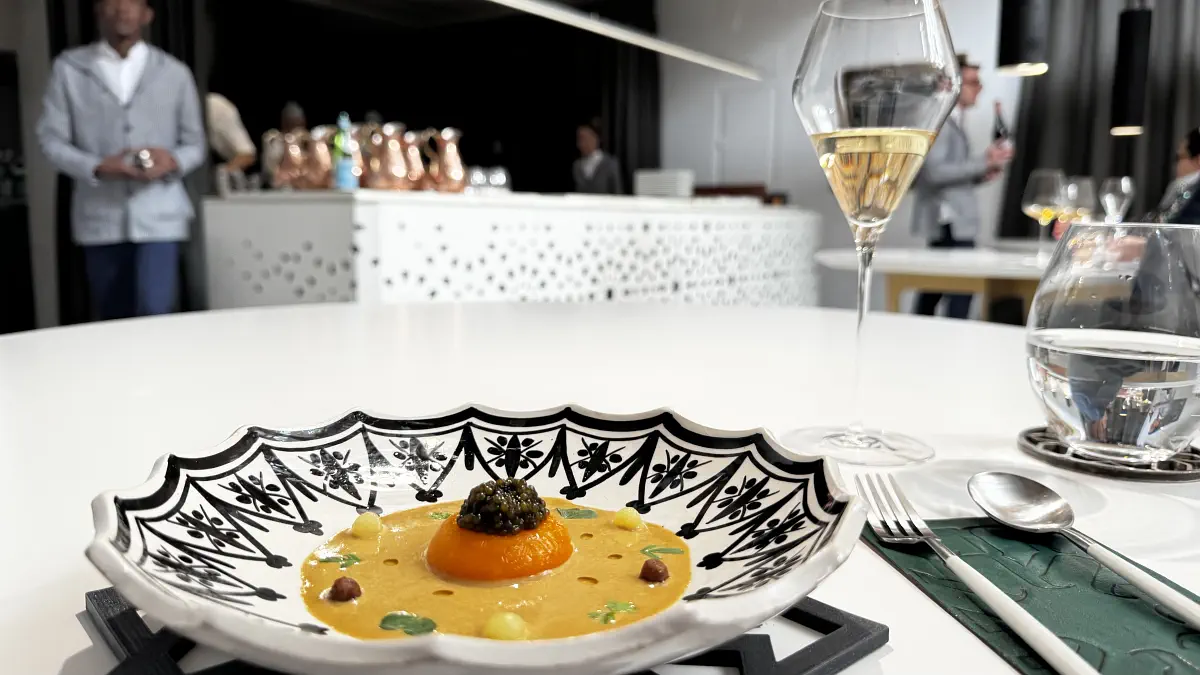
It is quite an experience, and all that detailed work comes with a price tag. This is top-end fine dining with a strong influence from Córdoba’s history. At this level, the wine list is mind-boggling, so I was glad to let the sommelier recommend a white from Jerez and a red from Murcia, both of which worked beautifully with the menu. I chose the shortest tasting menu and it still took just over two hours, which worked perfectly since I had a bus to catch back to Málaga.
Cordoba Terra Olea
This is a bit outside the centre, but still walkable if it is not too hot. It is very near the Down syndrome centre in Córdoba. The place and the food were both delicious, with a strong focus on local produce. It is a very small restaurant, but I had a great table even as a solo diner, and it was full.
The chef comes out to help with service, which makes it feel very personal. There are quite a few courses, so bring both appetite and time. The salmorejo tartlet was amazing, as were the ajo blanco sorbet and the fish with adobo salsa. If you want a fine dining experience in a friendly but beautiful atmosphere, this is the place.
Cordoba Recommiendo
This restaurant is almost at the end of the bus line from town, right in a residential area. It was the most fun I had in any fine dining restaurant on the trip.
A new thing for me was the huge selection of olive oils. There were many Spanish diners there at lunch, and the place was full midweek. Best not to plan on eating again for a while — I certainly skipped dinner that day. Even as a solo diner I had a good table.
The standout dishes for me were the cauliflower course inspired by chef Periko Ortega’s grandmother, which he assembled at the table while telling the story behind it, and the seabass in a consommé. I only had one glass of wine, but it was lovely. Wine is a big deal here, and you can still get a single glass without any issue. I thought the price was fair, and I hope this place stays around.